Many organizations migrating to the cloud operate under a dangerous misconception: that moving to AWS automatically transfers all security burdens to Amazon. In reality, the AWS shared responsibility model creates a complex partnership where security gaps often appear in the gray areas between provider and customer responsibilities. While AWS manages security of the cloud infrastructure, customers retain critical responsibility for security in the cloud—a distinction that becomes painfully clear during security incidents.
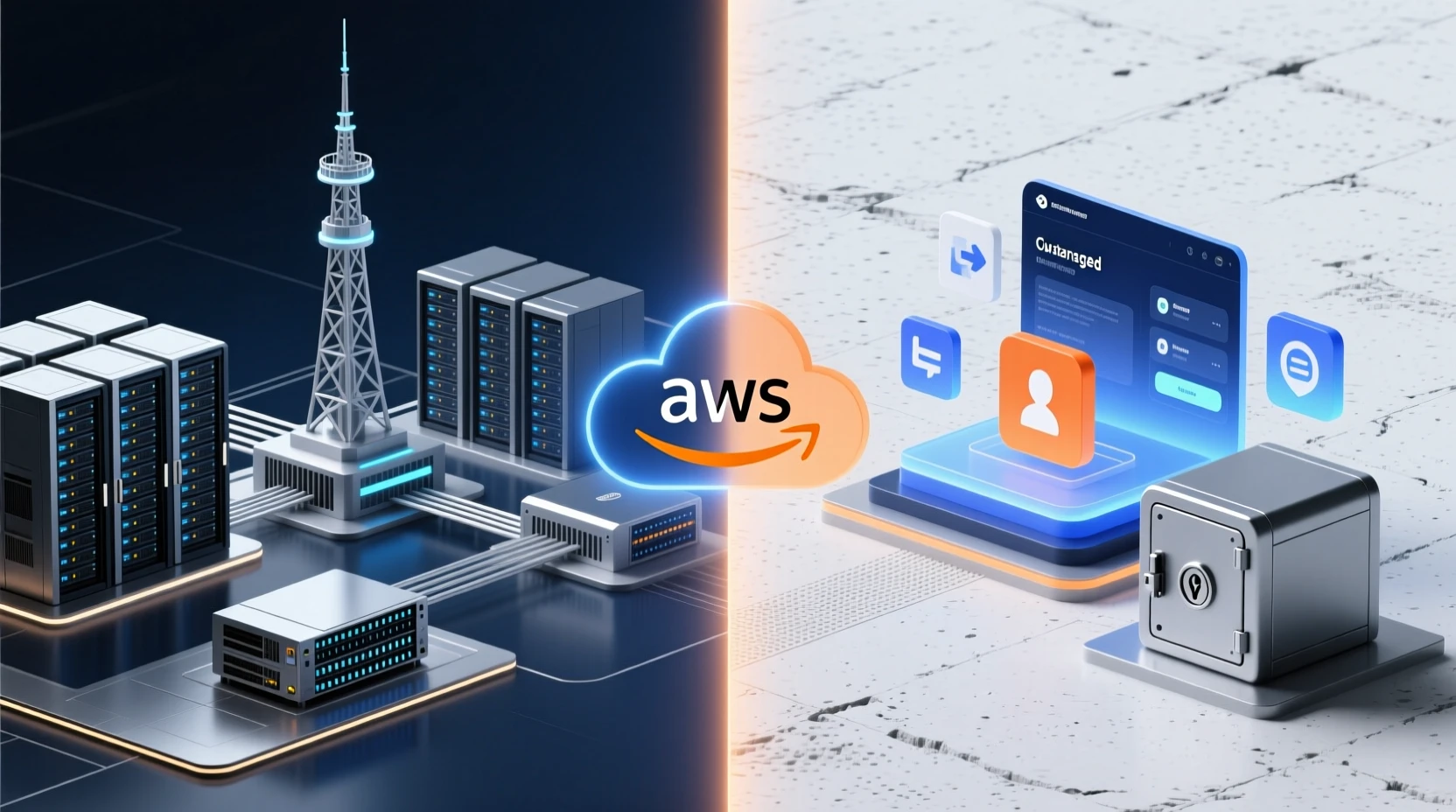
Where the Lines Actually Get Drawn
AWS’s responsibility covers the hardware, software, networking, and facilities that run AWS Cloud services. They patch hypervisors, maintain physical data center security, and ensure the foundational infrastructure remains resilient. But once you provision resources, the security landscape shifts dramatically toward your plate.
- Compute instances: AWS ensures the underlying host hardware and virtualization layer are secure, but you’re responsible for guest operating system patches, application security, and configuration hardening
- Storage services: While AWS guarantees S3’s infrastructure durability, customers must configure proper bucket policies, enable encryption, and manage access controls
- Database services: With RDS, AWS handles the database engine patching and underlying infrastructure, but you manage database user permissions, encryption keys, and network access rules
The Configuration Minefield
Consider a typical EC2 deployment scenario. AWS provides the physical server, the hypervisor, and the network connectivity. But if you deploy an EC2 instance with default security groups allowing unrestricted SSH access from 0.0.0.0/0, that’s your security failure—not AWS’s. The 2019 Capital One breach perfectly illustrates this dynamic: while AWS’s infrastructure remained secure, misconfigured web application firewall rules allowed unauthorized access to sensitive data.
Similarly, S3 bucket misconfigurations continue to expose millions of customer records monthly. AWS provides the tools—bucket policies, access control lists, and encryption options—but implementing them correctly falls squarely on customer teams.
Operational Realities and Shared Blind Spots
In practice, the model creates operational friction where responsibilities overlap. Take encryption: AWS KMS provides robust key management infrastructure, but you must properly implement encryption at rest and in transit, manage key rotation policies, and control access to encryption keys. Both parties share aspects of data protection, but the implementation burden rests with you.
Identity and Access Management (IAM) represents another critical intersection. AWS gives you powerful tools to create fine-grained permissions, but designing least-privilege policies requires deep understanding of both your applications and AWS service behaviors. Organizations often discover their IAM policies are either too restrictive (breaking legitimate operations) or dangerously permissive (creating security vulnerabilities).
When the Model Breaks Down
The cracks appear most visibly during incident response. When a security event occurs, the first question becomes: whose responsibility gap allowed this to happen? AWS provides security monitoring tools like GuardDuty and Security Hub, but you must configure them, tune alert thresholds, and establish response procedures. Without clear ownership documentation and practiced incident response plans, organizations waste precious hours determining responsibility while attackers deepen their access.
Compliance adds another layer of complexity. While AWS maintains certifications for their infrastructure, customers must demonstrate their own compliance for everything they build on top of it. Passing an audit requires meticulous documentation of how you’ve fulfilled your portion of the shared responsibility model.
Successful cloud security teams approach the shared responsibility model not as a burden to minimize, but as a framework to master. They create detailed responsibility matrices, implement automated compliance checks, and conduct regular tabletop exercises to ensure every team member understands exactly where AWS’s responsibility ends and theirs begins.