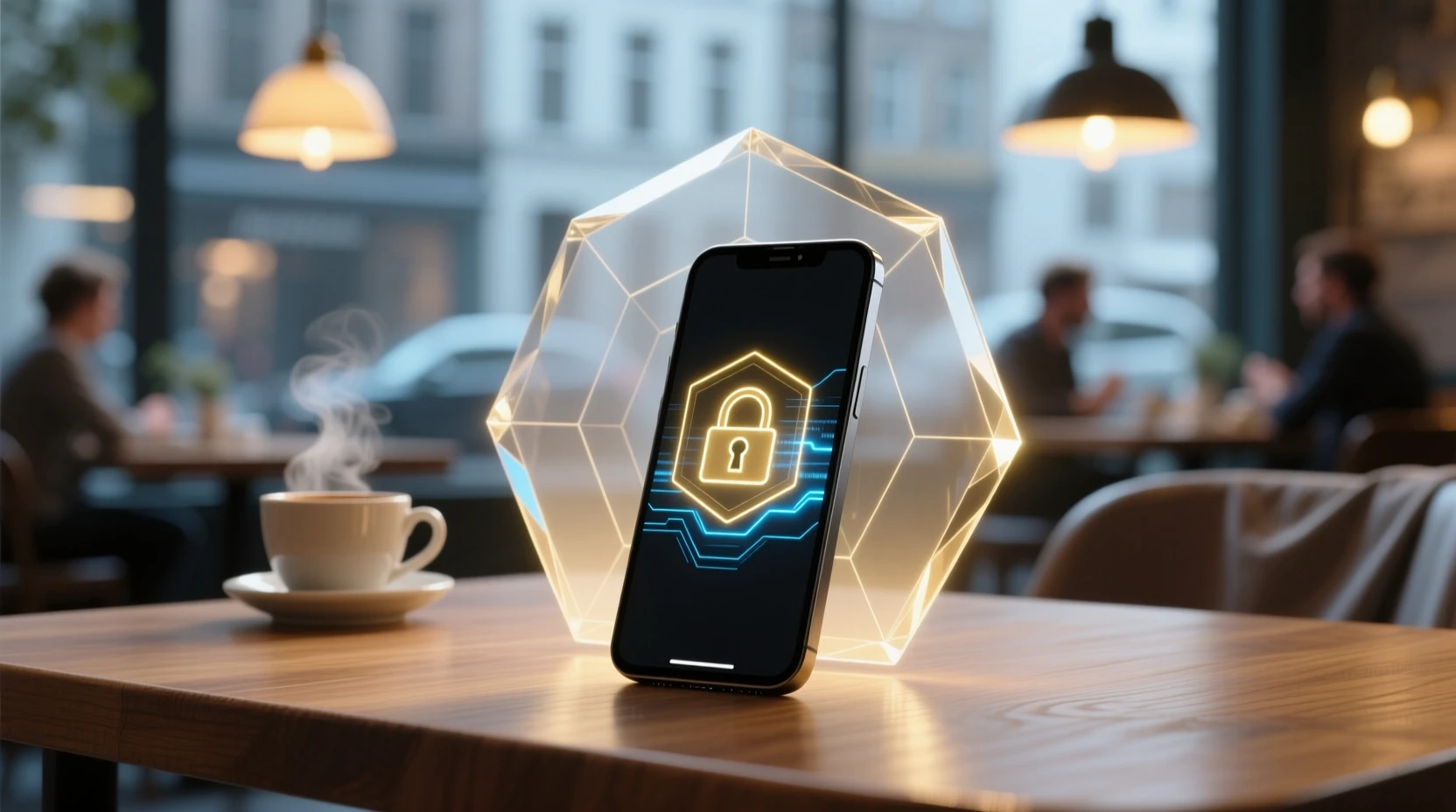
So I was sitting in a coffee shop last week, trying to pay my electric bill online, when it hit me – this public Wi-Fi I’m using could be watching my every move. That’s when I finally understood why everyone keeps talking about no-logs VPN policies. But let’s be real, what does that actually mean for people like us who just want to browse safely without becoming cybersecurity experts?
The “Wait, They’re Tracking What?” Moment
Here’s the thing that blew my mind: when you use a regular VPN, some companies actually keep records of where you go online. It’s like having a security guard who follows you everywhere while taking detailed notes about which stores you visit. A no-logs policy means the VPN provider literally can’t tell anyone what you’ve been doing because… well, they don’t have that information stored anywhere.
I remember setting up my first VPN and thinking “great, I’m protected!” until I actually read the privacy policy (okay, I skimmed it while waiting for my coffee). Turns out many VPNs keep connection logs, usage data, or timestamps. But with a strict no-logs VPN? They’re basically saying “we don’t want to know what you’re doing” – which honestly feels refreshing in today’s data-hungry world.
Your Morning Routine, But Actually Private
Think about your typical day: checking email, maybe some online banking, scrolling through social media, and probably some work-related browsing. Without no-logs protection, that entire digital footprint could be sitting on someone’s server. And if that company gets hacked or receives a legal request? Suddenly your browsing history isn’t so private anymore.
The real impact hits home when you realize that even if someone demands your data from the VPN provider, there’s literally nothing to hand over. It’s not that they’re refusing to share your information – they physically can’t because it was never recorded in the first place.
When Public Wi-Fi Stops Being Scary
That coffee shop scenario? With a no-logs VPN, I stopped worrying about who might be monitoring the network. Even if someone intercepted my connection, they’d just see encrypted gibberish. And the best part? The VPN company itself couldn’t tell them what I was doing even if they wanted to. It’s like having a secure tunnel that even the tunnel builders can’t see inside.
I’ve noticed something interesting though – not all “no-logs” policies are created equal. Some companies claim they don’t keep logs, but their privacy policies reveal they actually track connection times or bandwidth usage. The gold standard is when they’ve been independently audited to prove their claims. Otherwise, it’s just marketing talk.
The Trade-Off Nobody Talks About
There’s a catch, and I learned this the hard way. Some no-logs VPNs might be slightly slower because they can’t optimize routes based on your usage patterns. But honestly, the peace of mind is worth losing a few Mbps. Would you rather have slightly faster streaming or actual privacy?
What surprised me most was how this actually affects daily decisions. Suddenly, I’m not hesitating to check my bank account from hotel Wi-Fi. I’m not paranoid about using public networks while traveling. And I’m definitely not losing sleep over whether my VPN provider is selling my browsing data to third parties.
Your Digital Shadow Disappears
We leave digital footprints everywhere online, but with a true no-logs VPN, it’s like wearing invisible shoes. You’re still walking around, but nobody can track where you’ve been.
The irony? Most of us aren’t doing anything “wrong” that needs hiding. We just don’t want every click, every search, every site visit documented and stored somewhere indefinitely.
At the end of the day, it comes down to this: do you trust your VPN provider as much as you trust your bank? Because that’s essentially what you’re doing – giving them access to your digital life. A no-logs policy means they’ve removed the temptation and ability to misuse that trust.